

For example, your company might forecast $5 million departmental budget from software license sales and $2 million from subscriptions for the year ahead. For a restaurant; take-away boxes, credit card bills, employee wages, and ingredients are all _________ costs. There are various types of budgets, and each has its utility and downsides. Focusing solely on financial metrics can lead to overlooking other harder-to-measure factors for business success, such as customer satisfaction or employee morale.
Product

For example, costs allocated towards upgrading to energy-efficient lighting or equipment can result in long-term savings from lower energy bills. If done well, they can enhance operational efficiency by reallocating resources to high-performing areas. Regular budget review can also lead to less wastage by curbing overspending in areas where costs are increasing without corresponding growth in revenue.
Company
- The Operating Budget refers to a detailed projection of all estimated income and expenses that a business expects to incur over a certain period, typically quarterly or annually.
- Just as a GPS helps you navigate from point A to point B, an operating budget directs your financial journey through the fiscal year.
- If you provide a service such as a law firm or an accounting firm, look at the income, salaries, predicted sales, and consultant costs for budgeting guidance.
- By predicting revenues, costs, and profits, it provides an objective roadmap that organisations can follow to remain financially stable and agile.
- It’s instrumental in forecasting the budget needed to run your business or project.
These could include raw materials, direct labor costs, and variable overhead expenses. One of major issues in budget is change in Supervisory salaries, new equipment leases to speedup the special process, new software subscriptions, unexpected marketing costs, Indirect labor costs. Most of these are beyond the control of Project team or Administrative teams.
How do you create an effective operating budget?
• Making a business budget will make it easier and more effective to run your company. A company budget can also help you keep out of debt by ensuring that you spend money in the appropriate locations and at the right times. It assists you in determining where your company’s finances stand right now—and what you need to do to meet your financial objectives in the future. Budgeting entails more than simply totaling up your expenses and deducting them from your income. Your business’s success is determined by how smartly you spend your money. After deducting your expenses from your earnings, your profit is what you take home.
What are operating expenses? Can you give some examples?
The definition of an operating budget is that it’s a financial plan that details your company’s expected income and expenses for a specified period. It’s important to create and follow an effective operating budget to achieve your financial goals, avoid debt, and keep your business on track. Smaller operating budgets can lead to higher profitability, but limited budgets might create inefficiencies in your company. An operational budget is a financial plan that outlines an organization’s expected revenues and expenses related to its day-to-day operations for a specific period, typically a fiscal year. It focuses on the routine and recurring expenses necessary to keep the business running smoothly and efficiently.
Steps to create an operating budget template with examples

By following these tips, you will be equipped with the necessary knowledge and skills to develop a budget that optimizes the utilization of financial resources and ensures long-term sustainability. Opinions expressed on the pages of this website belong to the author What is bookkeeping and do not represent the views of companies whose products and services are being reviewed. For example, you might have higher ad expenses in January and February because you are running a particular ad campaign. In March, you might have a one-off recurring expense if you need to renew your business license. Knowing your goals beforehand, you can better assess your progress and tweak your strategy. Regularly track actual financial performance against the budgeted amounts.

Semi-variable costs, also known as mixed costs, contain both fixed and variable components. Examples include utility bills that have a base charge plus usage fees, salaried employees who earn overtime, and equipment that incurs Cash Flow Statement maintenance costs based on usage. These costs can fluctuate with activity levels, so be sure to separate the fixed and variable portions when budgeting. An audit will typically involve a comprehensive review of the revenue and expenses listed in the operating budget.
Balancing short-term and long-term goals
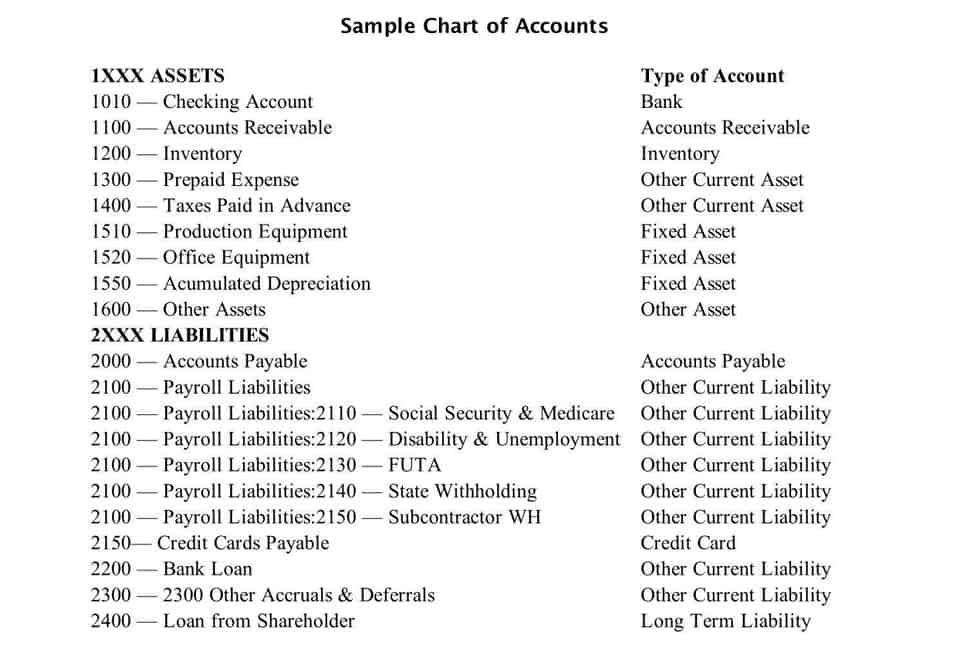
Before you budget your costs for the upcoming year, review your list of products and services and write down their direct costs. Then, add the direct costs for each product or service before you refer to your sales budget. This budget has already been established, so now you simply multiply your projected sales by their costs. There are helpful tools such as a cash flow projection template that can make this process easier. Every expense is captured, categorized, and synced to your ERP automatically, so your budget reflects actual spending patterns instead of outdated estimates.

E-commerce businesses
When increasing revenue is a key aim of the operating budget, consider all sources of revenue. Many companies have multiple products and/or services, which means multiple streams of income. Additionally, both new customers and existing customers are sources from whom income can be earned. For example, a software company may sell subscriptions to net new customers to generate revenue while also increasing revenue through renewals and negotiating new rates with existing customers.