

This sample chart of accounts also includes a column containing a description of each account in order to assist in the selection of the most appropriate account. A company’s organization chart can serve as the outline for its accounting chart of accounts. For example, if a company divides its business into ten departments (production, marketing, human resources, etc.), each department will likely be accountable for its own expenses (salaries, supplies, phone, etc.). Each department will have its own phone expense account, its own salaries expense, etc.
Keep It Simple
For Example, number your Cash in Checking account 1000 and your accounts Receivable account 1100. A Chart of Accounts (COA) is used by accountants, financial professionals, and businesses to organize and classify financial transactions for accurate recording, reporting, and sample analysis. The Chart of Accounts for a manufacturing company is designed to capture the complexity of manufacturing operations, from inventory management to the calculation of COGS and tracking of production costs. By maintaining a detailed CoA, manufacturing companies can improve financial transparency, make informed decisions, and enhance operational efficiency. Regular updates and audits of the CoA ensure it continues to meet the evolving needs of the business.

Can a Three Digit Chart of Accounts be Expanded Later?
Operating expenses are the costs a business incurs to keep its doors open and generate revenue. These are the day-to-day expenses that are directly related to running the business. A detailed breakdown of these expenses is essential for managing costs and improving bookkeeping profitability. Common operating expenses include salaries, rent, utilities, marketing, and the cost of goods sold (COGS). The way you classify these expenses in your chart of accounts numbering can significantly impact your ability to analyze your business’s financial health.
– 7000 OPERATING EXPENSES
A strong manufacturing COA also includes COGS subaccounts such as direct labor and factory supplies. A sole proprietor may only need a few equity accounts, while a corporation requires shareholder-specific accounts. Whether your organization is a partnership, LLC, or corporation, outline how capital, contributions, and distributions work early on so you avoid cleanup later. Imagine you’re a small nonprofit organization wanting to chart of accounts numbering create a clear and organized Chart of Accounts numbering system to manage your financial transactions efficiently.
If assets are classified by numbers starting with the digit 1, then cash accounts might be labeled 101, accounts receivable might be labeled 102, inventory might be labeled 103, and so on. Whereas, if liabilities accounts are classified by numbers starting with the digit 2, then accounts payable might be labeled 201, short-term debt might be labeled 202, and so on. In this sample chart of accounts template the sub-group column divides each group into the categories shown in the listings below.
Current assets

She founded Business Accounting Basics, where she provides free advice and resources to small businesses. Expense Accounts – These are the main expenses of a business and include general office expenses, utilities, wages, travel and insurance. Equity accounts show the ownership of the business; the accounts might include owners’ and shareholders’ equity and retained earnings. Simple record-keeping systems started appearing in the late Middle Ages and early Renaissance, thanks to merchants and traders who needed to somehow track their transactions and finances. In manufacturing, the production process involves different stages, such as raw materials, work in progress, and finished goods.
- It’s necessary to keep everything organized, easier to analyze and error-free.
- The accounting standards of countries such as the UK, Canada or Australia do not prescribe a particular chart of accounts, so can be considered comparable to IFRS and US GAAP.
- It is expected that a company will expand and/or modify these sample charts of accounts so that the specific needs of the company are met.
- You need a structure that’s detailed enough for accurate reporting but flexible enough to adapt as new departments, products, and expense categories emerge.
- Additionally, you can adjust the chart to better suit your needs by adding specific accounts.
- It ensures that all financial transactions are categorized systematically, supporting effective project cost tracking, financial analysis, and strategic decision-making.
You can also draft the policy for your company’s Chart of Accounts with this template as the reference list. Since the IFRS SME standards | ASC non-public entity guidance is the backbone of accounting for all entities, COAs that reflect this guidance are useful to all but the smallest businesses. Internationally, rigid accounting structures are somewhat less common, and are found in jurisdictions such as Russia, OHADA member states or (for public sector entities) Nigeria.
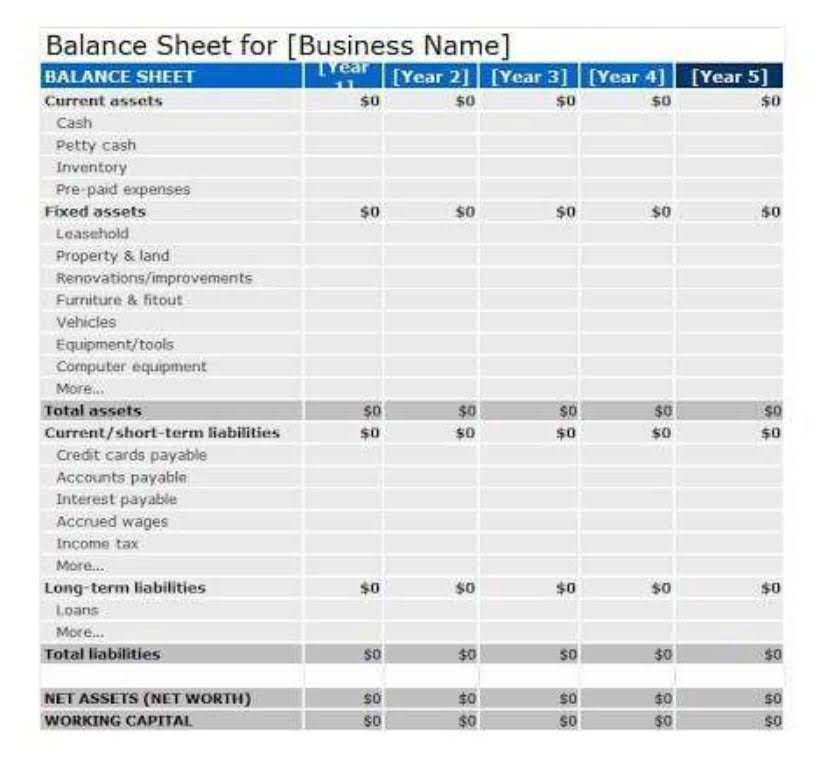
When setting up a non-profit, you will need to check whether you have any specific restrictions on funds. Fill out this form and one of our advisors will follow up with a call. We can then better understand your needs and craft the right solution for your organization. To ensure you start out on the right foot, we’re providing you with a COA template to download and customize to your heart’s content. Ideally, you’ll take our template and bend it to your specific needs.
- Other benefits include industry-specific features and tools and offline functionality.
- This is especially important for a company that must submit that report to a regulator like the US SEC.
- When your financial data is organized, you can spot trends, compare actuals to budget, and make informed predictions about the future.
- This template can be used to prepare the account ledger for your organization.
- Book your seat at our free Weekly Webinar of try Synder with a 15-day free trial to see how it can help you manage your business more efficiently.
How do you structure a chart of accounts?
Cost of goods https://majasari-jawilan.desa.id/2021/12/03/audit-tax-and-business-accounting-irvine-ca-rji-2/ sold is usually the largest expense on the income statement of a company selling products or goods. Cost of Goods Sold is a general ledger account under the perpetual inventory system. A current liability account that reports the amounts owed to employees for hours worked but not yet paid as of the date of the balance sheet.